
2026 Key insights
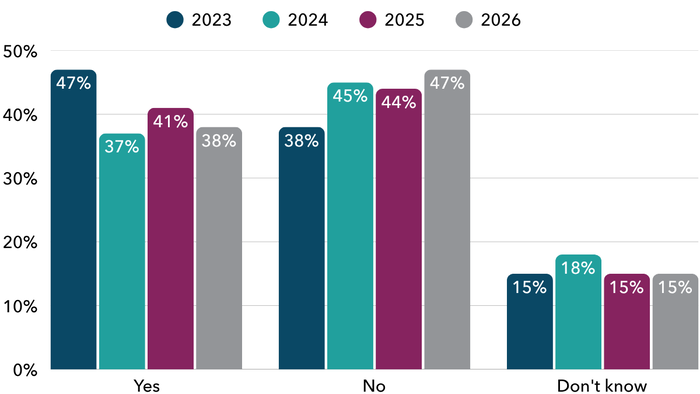
- Food recall awareness has remained steady, with 38% of consumers recalling a food recall in the past 12 months, unchanged from 2025.
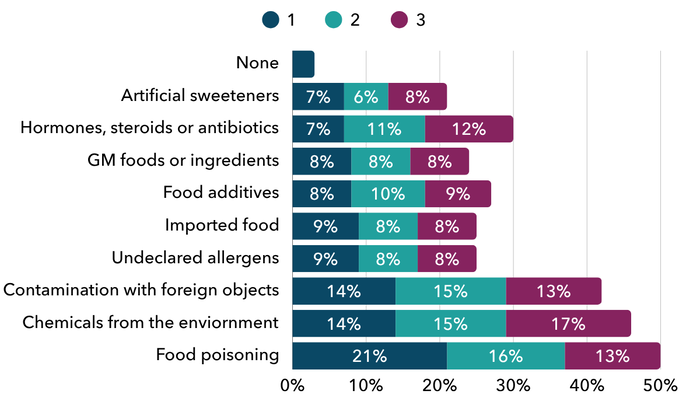
- Food poisoning remained the top food safety concern (21%), followed by chemicals from the environment in food (14%) and foreign objects (14%).
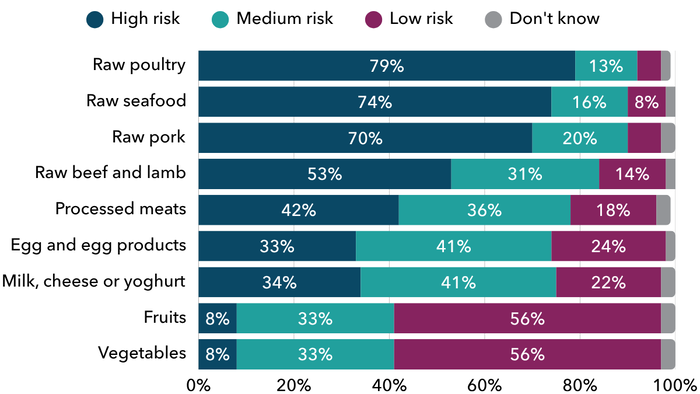
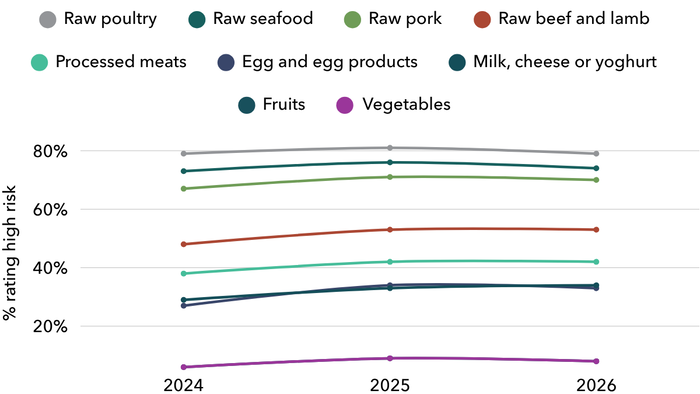
- Raw poultry (79%) and raw seafood and shellfish (74%) are considered the highest-risk foods if not stored, prepared, and/or cooked correctly at home.
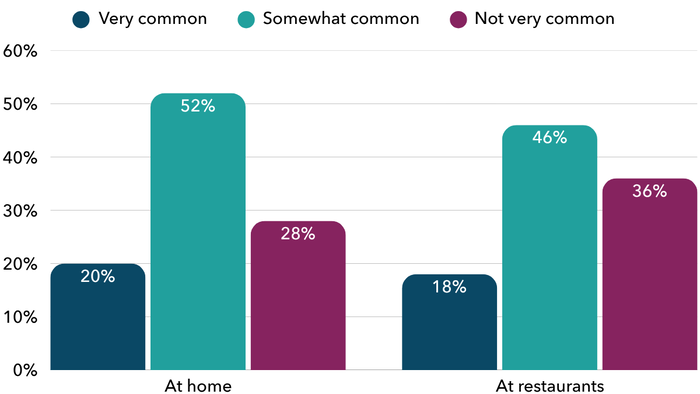
- Around 7 in 10 respondents considered food poisoning from home as common, compared with about 6 in 10 for food from a restaurant.
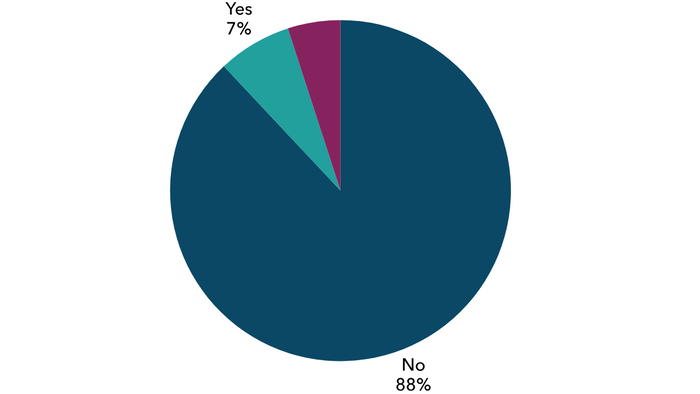
- Suspected food poisoning in the last 30 days was reported by 7% of respondents, with 46% seeking medical advice or testing.
- Most respondents (88%) knew undercooked chicken could cause food poisoning even if it looked cooked outside.
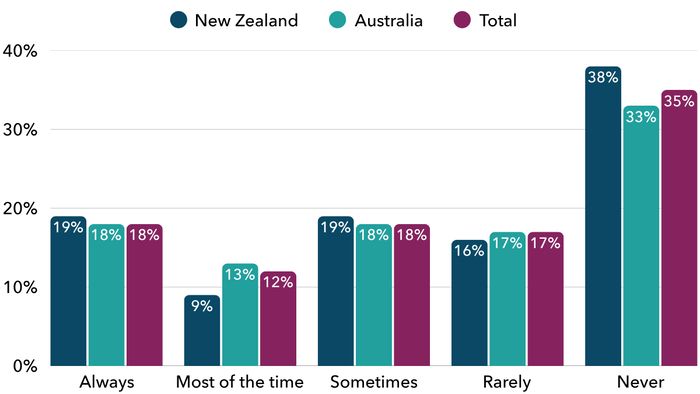
- Nearly 30% washed raw chicken always or most of the time.
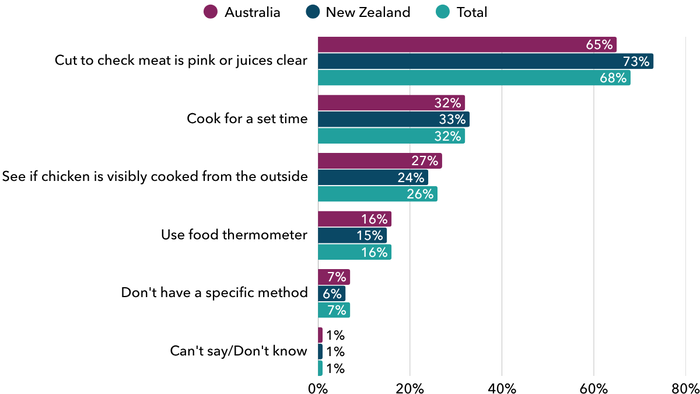
- Cutting into chicken to see if it was still pink or whether the juices ran clear (68% overall) was the most common method used to check if chicken is cooked. Few respondents used a food thermometer (16%).
- Most respondents always washed their hands (65%) and always cleaned surfaces after preparing raw meat (71%). Separation behaviours were performed less consistently, with 54% always using a separate knife and 53% using a separate chopping board.
Download the:
Food recall knowledge
In 2026, 38.3% of respondents remembered a food recall happening over the last 12 months.
Food safety concerns
Food poisoning, chemicals from the environment and contamination of food with foreign objects were respondents top 3 food safety concerns. The same 3 food safety concerns have remained the leading concerns since measurement began in 2023.
Food risk perceptions
Raw chicken or poultry and raw seafood/shellfish were perceived as the riskiest foods to eat if not stored, prepared, and/or cooked correctly at home. The relative ranking of perceived risks of foods remained generally consistent across years.
Food poisoning
Respondents believed getting food poisoning was slightly more common for food prepared at home than in a restaurant.
Overall, 153 (7%) respondents reported a suspected food poisoning episode in the last 30 days. Among those who reported suspected food poisoning, 70 (46%) respondents sought advice or testing from a medical professional.
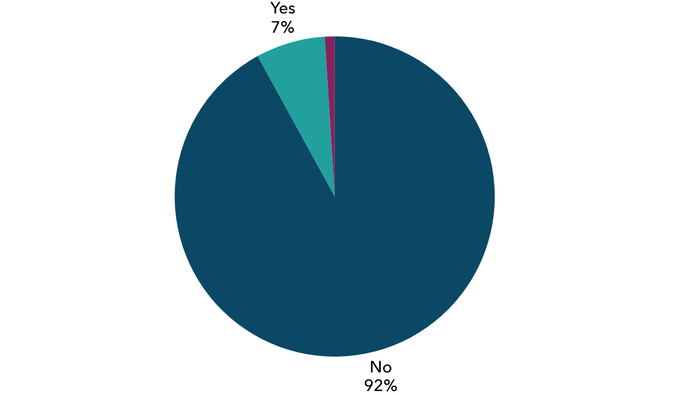
The majority of respondents (88%) believed that undercooked chicken, even if it looks cooked on the outside, could cause food poisoning, 5% were unsure or did not know.
Food safety behaviours
Washing raw chicken
Among the 2,145 respondents who prepared chicken at home, nearly one-third reported washing raw chicken before cooking, (18% reporting ‘always’ and 12% ‘most of the time'). Respondents from New Zealand were more likely to report never washing chicken prior to cooking compared to respondents from Australia (38% vs. 33%).
Food safety behaviours cooking chicken
Cutting into chicken to see if it was still pink or whether the juices ran clear (67.7% overall) was the most common method used to check if chicken is cooked. Few respondents used a food thermometer (15.9%).
Preparation of raw meat
Among respondents who prepared raw meat at home (n = 2,085) most reported safe handling practices. More than 80% said they washed their hands, utensils and preparation surfaces after handling raw meat most or all of the time. However, practices to keep surfaces/boards/utensils used for the preparation of raw meat separate from other foods was less consistent, with around 50 to 55% saying they ‘always’ followed these practices.
| Never n (%) |
Rarely n (%) |
Sometimes n (%) |
Most of the time n (%) |
Always n (%) |
|
|---|---|---|---|---|---|
| Wash hands thoroughly with soap and water |
21
|
57
|
253
|
397
|
1,357
|
| Wash chopping board/surface with hot soapy water before using again |
19
|
58
|
189
|
336
|
1,483
|
| Wash knife/utensils with hot soapy water before using it again |
19
|
52
|
167
|
337
|
1,510
|
| Use separate knife/utensils |
90
|
124
|
312
|
431
|
1,128
|
| Use separate chopping board/surface |
137
|
158
|
301
|
393
|
1,096
|